Planning Your Landscape Project Through the Winter
Everyone wants a new patio or retaining wall built the moment spring arrives, which is exactly why winter is the smarter time to plan one.
September 9, 2026 · 4 min read
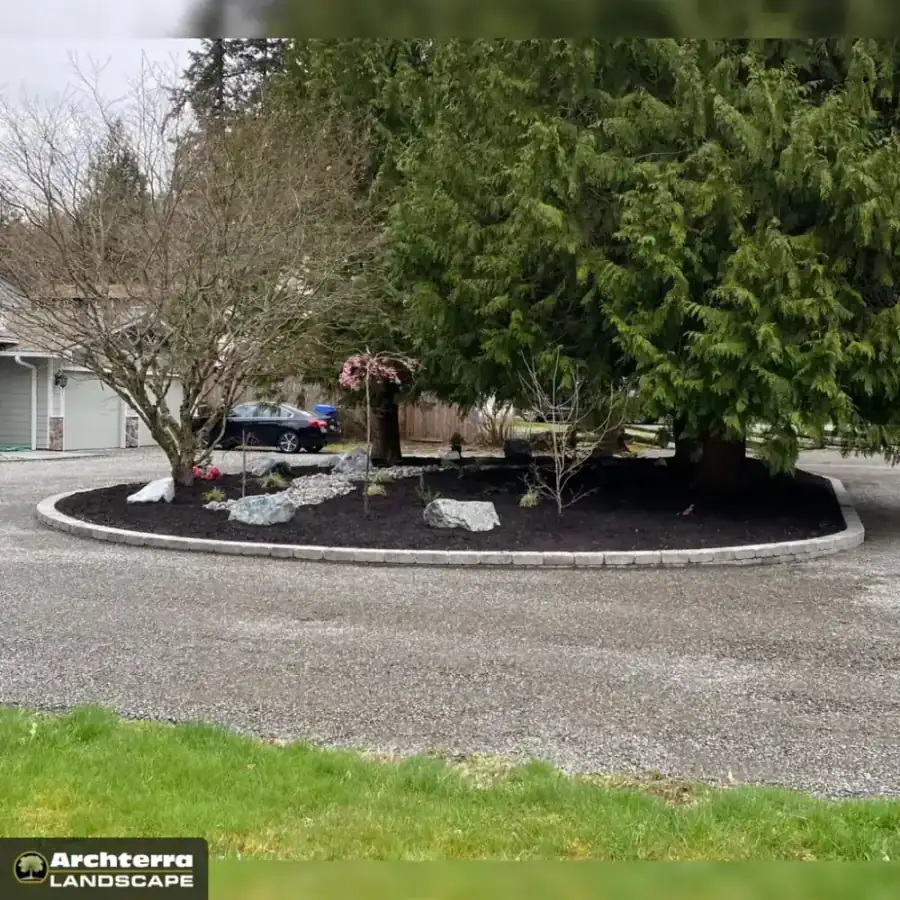
Spring feels like the obvious time to start a landscape project. The weather turns, the yard is finally visible again, and the urge to do something about it hits everyone at once. That timing is exactly why spring is the worst time to start planning one. Every homeowner in Pierce County has the same idea in the same six weeks, and design and construction schedules fill up fast once the weather actually cooperates.
Why lead times stretch in peak season
During spring and summer, demand for design and build work is at its highest, and lead times stretch out accordingly. That is simply the reality of a seasonal trade in a place where good outdoor working weather is genuinely limited to a few months a year. A project that could start within a few weeks in January might sit much further out on the calendar by May, not because anyone is dragging their feet, but because everyone in the valley wants a crew in their yard during the same narrow stretch of good weather.
Winter is a working season, just a different kind of work
The winter months in Puyallup are wetter, greyer and less inviting for standing outside all afternoon, which makes them feel like a dead season for landscaping. They are not. Winter is when the design and planning phase actually belongs, precisely so a project is fully ready to move into construction the moment spring conditions allow it. That includes the initial on-site consultation to talk through vision and budget, working out design options and material choices at a reasonable pace, and for larger projects, handling permit applications ahead of time rather than discovering mid-spring that a permit is still pending approval.
What gets sorted out during the planning phase
A design and planning phase covers more ground than most people expect before it ever turns into actual groundwork.
- Establishing the real scope and budget for the project, and getting a clear sense of what design decisions and material choices will actually cost once finalized
- Determining whether the project needs a permit at all, since that depends heavily on the scope of work, and getting that application moving early rather than late in the season
- Working through material selections for hardscaping, planting choices suited to sun exposure and soil type, and how different elements of the property tie together as one coherent design rather than a set of separate additions bolted on over time
- Sequencing the actual construction phases, since a retaining wall, drainage work, planting and any water feature usually need to happen in a specific order once the ground is workable again
What winter conditions reveal about the site itself
Winter is also useful for seeing a property honestly, in a way summer simply does not allow. Drainage problems that hide during a dry August show up clearly in December, when heavy Pierce County rainfall reveals exactly where water pools on the lawn, where a downspout is overwhelming a planting bed, or where a slope is actively eroding a little more with every storm. A design built around what a yard actually does in the wettest months, not just how it looks on a dry July afternoon, tends to hold up better across every season that follows, including the ones that matter most for drainage.
Why the wait is worth it either way
It is worth saying plainly: a typical project timeline is genuinely hard to pin down in advance, because every property is different and the schedule depends on design decisions, material availability, permit requirements, site conditions and weather, all of which vary project to project. Starting the conversation in winter does not shortcut that uncertainty. What it does is move the parts that take the longest, design, budget, materials and permitting, into the season that has the least competition for a designer's time, so the parts that actually depend on dry ground and warm weather can start the moment conditions allow rather than sitting in a queue.
Getting ahead of the calendar
None of this requires committing to construction in the middle of winter. It means using the slow season for what it is actually good for: a free, no-obligation on-site consultation with a landscape designer, working through design options without the pressure of a compressed spring schedule, and, where a permit applies, getting that application filed with enough runway that it is not the reason a spring start slips into summer. By the time the weather turns and the crews that build retaining walls, patios and irrigation systems are back to full capacity, a project planned over winter is simply next in line rather than starting from zero.
Archterra Landscape Services, (253) 815-8365
Call (253) 815-8365More articles
Do You Really Need Irrigation in the Pacific Northwest?
The Pacific Northwest's rainy reputation hides a real, dry summer that catches Puyallup lawns off guard every year.
What Actually Holds a Retaining Wall Up
The blocks get all the attention, but the drainage behind them is what actually decides whether a retaining wall survives its first few Pierce County winters.