Do You Really Need Irrigation in the Pacific Northwest?
The Pacific Northwest's rainy reputation hides a real, dry summer that catches Puyallup lawns off guard every year.
September 9, 2026 · 3 min read
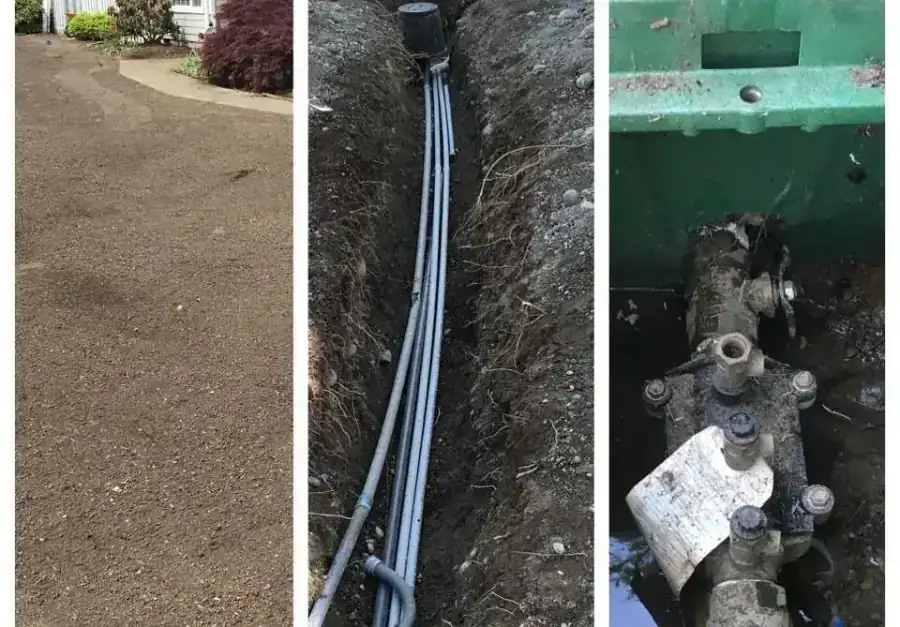
Puyallup gets a reputation it does not fully earn. Ask anyone who has not lived through a Pierce County August, and they will assume your lawn takes care of itself. It does not. The wet season here is real and it is long, but it front loads into fall, winter and spring, and by the time July arrives the valley dries out fast. Clay-heavy soil that held onto every drop of February rain turns hard as a sidewalk by mid-summer, and grass roots that never had to dig deep for water simply stop trying.
This is the single most common misunderstanding Archterra hears from new clients. People move here from somewhere drier, look at the gray sky in April, and assume irrigation is a solution to a problem the Pacific Northwest does not have. Then August shows up, the rain stops for six or eight weeks straight, and a lawn that looked healthy in May goes patchy and brown by the Fourth of July.
What actually happens in a dry Puyallup summer
Turf grass in this region is mostly cool season varieties, bred to thrive in mild, damp conditions. They are not built to survive a real drought, and a Puyallup summer, short as it is, behaves like one. Without supplemental water on a consistent schedule, grass goes dormant, then it goes brown, and if the dry stretch runs long enough it dies outright rather than just resting. Ornamental beds fare worse. Shallow-rooted perennials and anything planted in the last year or two have not built the root system to find moisture on their own, and shrubs that look fine in June can be dropping leaves by August.
The soil itself works against you here too. Puyallup River valley clay and glacial till hold water well in winter, which is exactly why so many yards deal with standing water and soggy turf from November through April. But that same dense soil bakes hard once it dries, and water poured on top of baked clay runs off instead of soaking in. A haphazard hand-watering routine, done in a hurry with a hose after work, rarely gets water deep enough to matter.
What a properly designed system actually does
A residential irrigation system is not one setting for the whole yard. It is zoned, because turf, planting beds and anything under a mature Douglas fir or cedar canopy all need different amounts of water on different schedules.
- Turf zones run spray or rotor heads on a schedule tuned to lawn depth and sun exposure, not a single blanket setting for the whole property
- Bed zones typically run drip line instead, delivering water at the root rather than misting foliage that is prone to fungal issues in our humidity
- Shaded zones under conifer canopy need less frequent, deeper watering, since dense shade slows evaporation but tree roots compete hard for whatever moisture is there
Every system also needs a backflow preventer. It is not optional and in many jurisdictions it is not negotiable. A backflow preventer stops irrigation water, which can carry fertilizer, pesticide residue or bacteria from standing in a line, from siphoning backward into the clean drinking water supply if pressure drops. Depending on your city, that device may need annual testing and inspection, and a permit may be required for the install itself.
Start-up, winterization, and the parts nobody thinks about
An irrigation system is not install-and-forget. Every spring it needs a start-up: pressurizing the lines, checking each head for winter damage, adjusting spray patterns as beds fill in and shrubs grow taller than they were last year. Every fall it needs winterization, blowing the lines clear of water before the first hard freeze so pipes and backflow assemblies do not crack. Skip winterization once and you will likely find out the expensive way in March.
Planning it into your project
If you are already planning a new bed, a lawn renovation or a full backyard build, irrigation is far easier and cheaper to design in from the start than to retrofit into finished hardscaping later. It is a natural pairing with any landscape design and installation project, since trenching happens once, alongside grading and planting, instead of twice. Archterra's irrigation technicians handle install, seasonal service, backflow testing and repair for both residential and commercial properties across King and Pierce County, and a free on-site consultation is the place to start figuring out what your specific yard actually needs.
Archterra Landscape Services, (253) 815-8365
Call (253) 815-8365More articles
What Actually Holds a Retaining Wall Up
The blocks get all the attention, but the drainage behind them is what actually decides whether a retaining wall survives its first few Pierce County winters.
Why the Base Under Your Paver Patio Matters Most
A paver patio's pattern gets all the attention on install day, but the compacted base six inches down is what decides how it looks in five years.